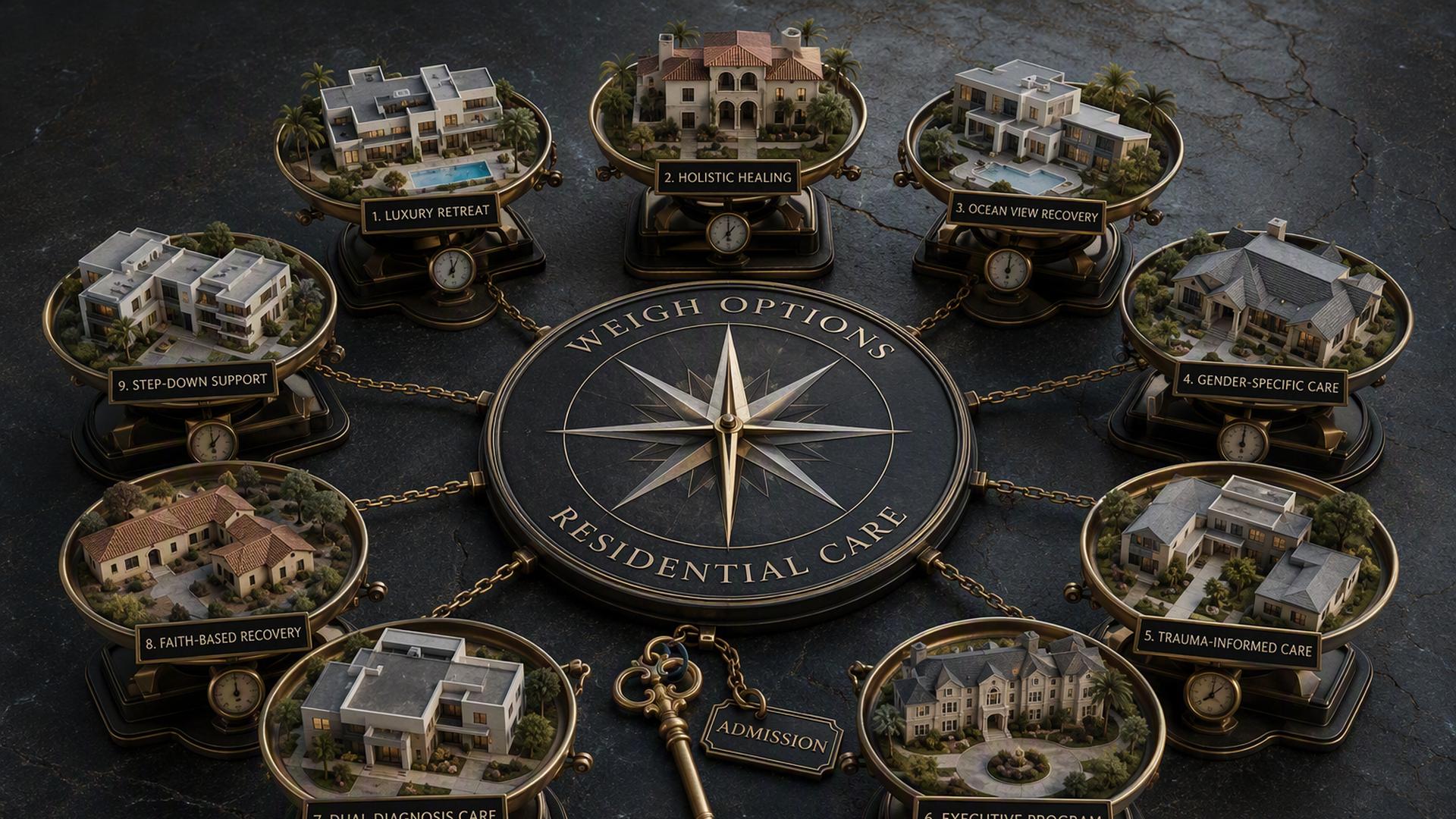
What Bright Paths Recovery Offers: Couples Rehab, Residential Care, and Long-Term Support
Recovery rarely happens in isolation, and for many people considering treatment, the question is not just which facility offers strong clinical care but whether that care can adapt to their specific circumstances, whether that means healing alongside a partner, managing a co-occurring mental health condition, or simply needing a program built around long-term follow-through rather than a single stay. Bright Paths Recovery, located in Northridge, California, has positioned itself around exactly that kind of flexibility, offering a small-scale residential setting alongside specialized tracks like couples rehab and an alumni structure designed to extend support well past discharge.
This review examines how those pieces fit together in practice, looking closely at the couples program, the residential treatment structure, the clinical resources behind dual-diagnosis care, and the amenities and long-term support systems that shape a client's experience from admission through the months that follow.
Couples Rehab Built Around Individual Progress
One of the more distinctive offerings at Bright Paths Recovery is its couples rehab program, which allows partners to go through treatment simultaneously while each person still follows their own individualized plan. This is a meaningful distinction, since programs that treat couples as a single unit can sometimes blur the line between shared healing and one partner's personal clinical needs. At Bright Paths, the two tracks run in parallel, giving each person space to work through their own recovery goals without losing the relational support that brought them into treatment together in the first place.
Balancing Shared Healing With Personal Accountability
That balance matters because addiction recovery often intersects with relationship dynamics in complicated ways. Couples entering treatment together may be managing codependency, communication breakdowns, or simply the strain that substance use places on a partnership, and addressing those patterns typically requires both joint and individual attention. By keeping each partner's treatment plan distinct while still allowing them to progress through the program together, Bright Paths Recovery appears to be threading that needle with more intentionality than many facilities that offer couples treatment as an afterthought to their primary individual program.
Residential Care With a Structured Daily Rhythm
The center's residential inpatient program typically runs between 28 and 40 days, with 35 days being the most common length of stay, and it follows a structure that combines group therapy, individual sessions, physical activity, and dedicated time for reflection. This rhythm gives each day a clear shape without feeling overly rigid, which can matter a great deal for clients who are adjusting to structured living after a period of instability.
What Happens Before Residential Treatment Begins
Before entering the residential phase, many clients start with a medically supervised detox program that includes 24/7 clinical care and, when appropriate, short-term medication-assisted treatment. That level of monitoring during withdrawal is one of the more important safety considerations for anyone weighing treatment options, and it sets the foundation for the residential work that follows.
Once stabilized, clients move into a program supported by a twelve-bed home and a staff-to-client ratio of roughly three staff members for every two clients, a setting that allows for closer daily observation than larger facilities can typically offer.
Clinical Depth Behind the Dual-Diagnosis Model
A large share of people entering addiction treatment are also managing a co-occurring mental health condition, and Bright Paths Recovery has built its clinical program to treat both simultaneously rather than sequentially. The center addresses conditions including PTSD and trauma, depression, anxiety, bipolar disorder, OCD, and schizoaffective disorder, using a toolkit that includes Cognitive Behavioral Therapy, Dialectical Behavior Therapy, Motivational Interviewing, and both individual and family therapy sessions offered on-site once or twice a week.
Leadership That Shapes the Clinical Program
This integrated approach is overseen by a clinical team with real depth of experience. Dr. Adnan Khoury, the medical director, brings more than forty years of experience across internal medicine, psychiatry, and addiction medicine, while Dr. Shushan Tigranyan, the clinical director, holds a doctoral-level PsyD. Their combined oversight gives the dual-diagnosis model a level of clinical grounding that is not always guaranteed at smaller residential programs, and it helps explain why the center is able to take on cases involving more complex mental health presentations.
Amenities That Reinforce the Treatment Experience
Life at the Northridge home includes a number of comfort-oriented details, from a private chef preparing restaurant-grade meals to a gym stocked with boxing, cardio, and weight equipment. These are not incidental touches. Comfort and routine can meaningfully influence a client's ability to stay engaged in treatment, and the center's amenities appear designed with that connection in mind.
How the Amenities Support Clinical Goals
The table below outlines how several of the center's amenities connect to specific treatment outcomes.
|
Amenity |
How It Supports Treatment |
|---|---|
|
Private chef and restaurant-grade meals |
Supports physical recovery and stable nutrition during early sobriety |
|
Gym with boxing, cardio, and weights |
Offers a healthy outlet for stress and rebuilds physical routine |
|
Green grounding area and private therapy room |
Provides quiet space for reflection and one-on-one clinical work |
|
Pet-friendly accommodations |
Reduces separation anxiety and reinforces emotional stability |
|
Phone and laptop access |
Maintains connection to work and family, easing the transition back to daily life |
|
Weekend experiential outings |
Builds coping skills and social connection outside a clinical setting |
Clients are also permitted to bring pets and to keep their phones and laptops during their stay, both of which reflect a philosophy that treatment works best when it does not fully sever a person from their outside life.
Long-Term Support That Continues After Discharge
Completing a residential program is often described as the beginning of recovery rather than its conclusion, and Bright Paths Recovery seems to have built its aftercare structure around that idea. The center's alumni program includes a private app, an ongoing network, and weekly check-in calls, giving former clients a consistent point of contact well beyond their discharge date.
Why Continued Contact Matters for Sobriety
Sustained sobriety is frequently tied to the strength of a person's support system in the months following treatment, which is why the center's proactive check-ins are worth noting. Rather than leaving reconnection entirely up to the client, the alumni structure builds it into the process, and that kind of consistency can make a meaningful difference during the vulnerable early period after leaving a structured environment.
Accreditation and Practical Access
Credentialing is one area where Bright Paths Recovery is on solid footing. The center holds accreditation from The Joint Commission, is LegitScript certified, and is licensed by the California Department of Health Care Services, all of which are meaningful markers for anyone trying to verify a facility's legitimacy before committing to treatment.
Insurance Coverage and Admission Logistics
The center accepts most PPO plans and out-of-network benefits, including Aetna, Anthem, Blue Cross Blue Shield, Cigna, and UnitedHealthcare, though Medicaid and Medicare are not accepted, which is worth noting for anyone relying on those programs specifically.
Same-day admissions are available for those who call, and the center also offers travel assistance and airport pickup for clients arriving from out of state, removing some of the logistical friction that can otherwise delay someone from starting treatment.
Final Thoughts on Bright Paths Recovery
Taken as a whole, the combination of a genuinely individualized couples program, a structured residential model backed by experienced clinical leadership, dual-diagnosis expertise, and an aftercare system built around sustained contact gives Bright Paths Recovery a well-rounded profile among Los Angeles-area treatment providers, and its emphasis on continuity, from admission through long-term alumni support, suggests a program designed with the realities of long-term recovery in mind rather than just the completion of a single stay.